China, South Korea, and the Philippines Strengthen Global Halal Presence at MIHAS 2024

The Malaysia International Halal Showcase (MIHAS) 2024, the world's largest halal trade fair, has become a key platform for global players eyeing the rapidly expanding halal market, valued at over USD 3 trillion. This year’s showcase in Kuala Lumpur reflects the increasing global interest in halal products and services, with notable participation from countries such as China, South Korea, and the Philippines.
China emerged as the largest international contributor to MIHAS, aligning with the 50th anniversary of Malaysia-China diplomatic relations. Over 50 Chinese exhibitors, representing industries ranging from food to cosmetics and Islamic finance, marked China’s robust participation. Dennis Wang, General Manager of Sichuan Huiji Food Company, remarked on the event's broad international appeal: "We just met groups from Indonesia, Singapore, and Thailand. This exhibition attracts buyers from across the globe who are interested in halal products, and we are keen to cater to this market."
China’s involvement in the halal economy is not limited to food. Companies such as Beau Olam Group, a hotpot spice producer from Ningxia, are using MIHAS to explore opportunities in Southeast Asia. Vinsee Siew from the group expressed optimism about potential partnerships, particularly in Cambodia. The growing presence of Chinese Muslim-operated restaurants in Malaysia also underscores the strengthening ties between China and Southeast Asia in the halal sector.
Malaysia's Prime Minister Anwar Ibrahim, during MIHAS's opening ceremony, emphasized the global importance of the halal industry. Reflecting on his meetings with international leaders, including China’s President Xi Jinping, Anwar stated, “These leaders have emphasised the importance of the halal industry and recognized Malaysia's role in promoting it. They have also expressed interest in cooperation and collaboration in this sector.”
South Korea’s bold ambitions to tap into the halal market were also on display at MIHAS. Though Muslims represent a mere 0.4% of South Korea's population, the country is keen on expanding its halal footprint. South Korean exhibitors showcased a range of halal products, from seaweed snacks to sanitary pads, demonstrating the country’s strategic pivot towards the sector. Lee Yong Jik, head of the food export division at South Korea’s Ministry of Agriculture, Food, and Rural Affairs, described the halal market as a "blue ocean" with vast growth potential.
South Korea's interest in the halal sector began gaining momentum in 2015 with an agreement signed between the UAE and then-President Park Geun-hye. Now, with government-backed resources and subsidies for halal certification, South Korean businesses are positioning themselves to tap into global demand, especially in Southeast Asia, where the Hallyu wave has already cultivated a strong appetite for Korean products.
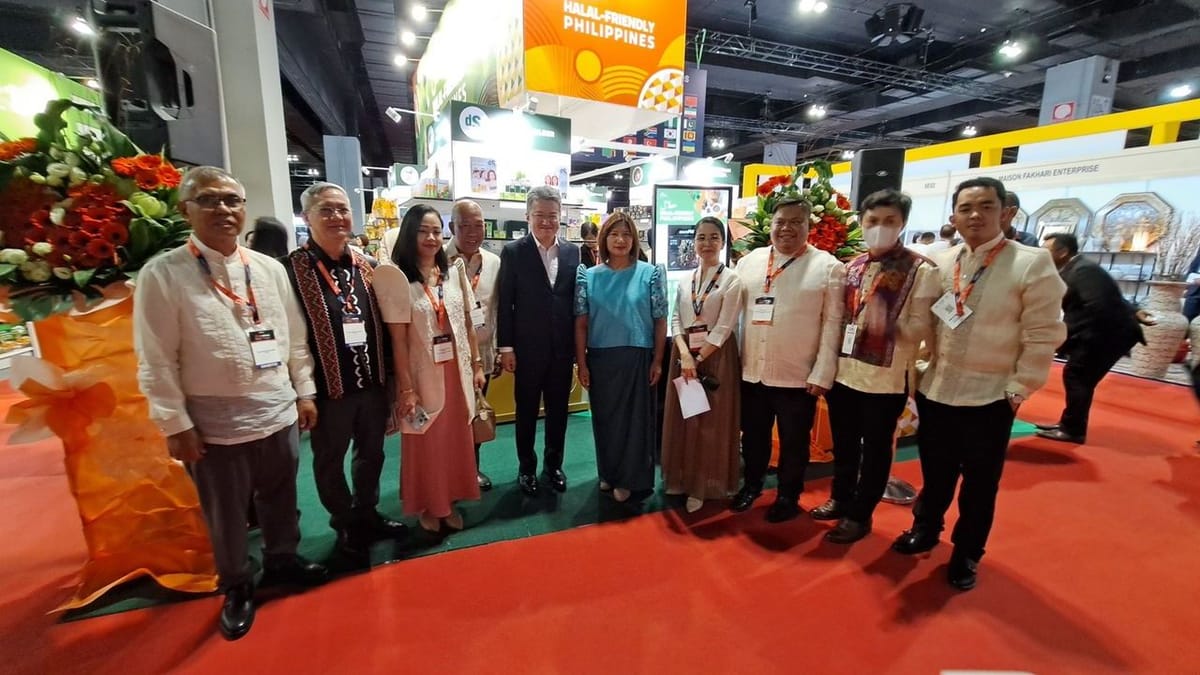
Meanwhile, the Philippines is leveraging Malaysian expertise to expand its halal industry. Ambassador Maria Angela A. Ponce highlighted the importance of MIHAS in connecting Filipino micro, small, and medium-sized enterprises (MSMEs) with global markets, particularly in the Gulf Cooperation Council (GCC) region. "Malaysia exemplifies the halal industry, which is why halal cooperation with Malaysia is a priority for both President Marcos and various Philippine government agencies," she said.
With training in halal certification, tourism, and Islamic finance, the Philippines is aiming to use Malaysia's halal certification standards as a springboard to enter Middle Eastern markets, including Qatar. Ponce underscored the significance of Malaysia’s role in the global halal supply chain, saying, “This is the insight we seek from Malaysia, as we endeavour to adopt their best practices.”
As the global halal economy continues to expand, MIHAS remains at the forefront of connecting international players with this lucrative market. Countries like China, South Korea, and the Philippines are seizing the opportunity to enhance their presence, underscoring the industry's importance in fostering international collaboration and economic growth.