Dr Rania Awaad

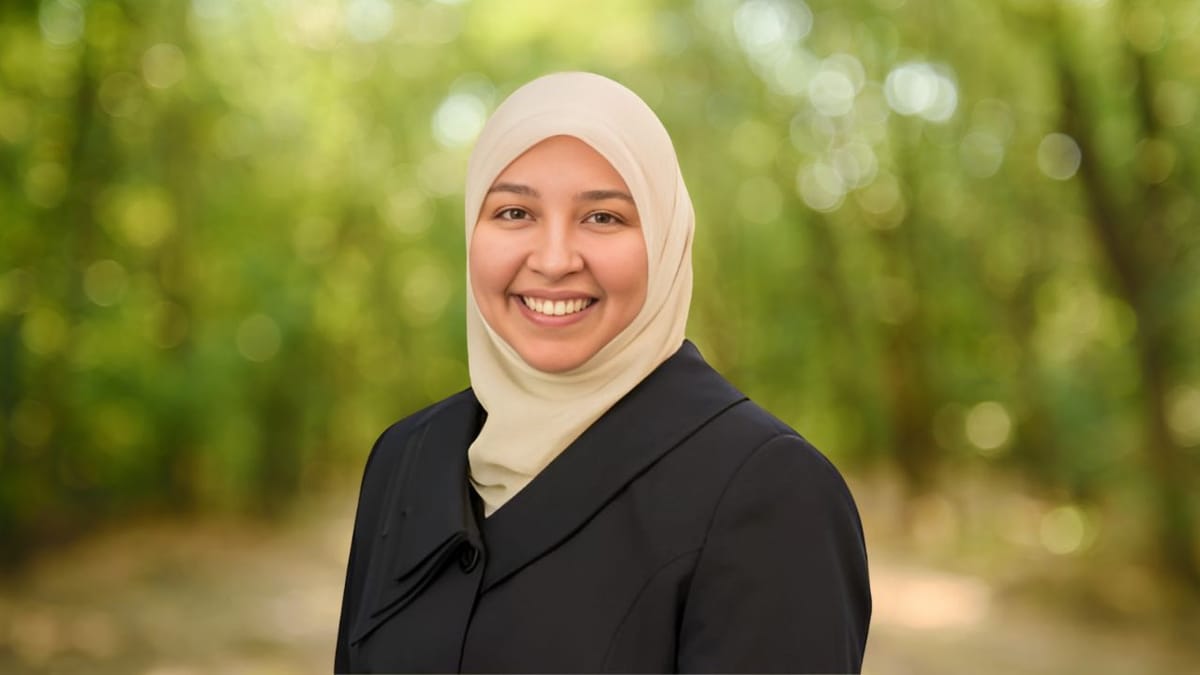
Dr Rania Awaad is an Egyptian-American psychiatrist, Islamic scholar, professor, and author. She is recognised for her pioneering work in the intersection of Islam, psychology, and the mental health of Muslim Americans. As a Clinical Professor of Psychiatry at Stanford University, Awaad leads initiatives enhancing culturally competent care and bridging faith with mental wellness for diverse communities.
Early Life and Education
Rania Awaad was born in Cairo, Egypt, and moved to New York at the age of three, following her mother's appointment as a translator for the United Nations and her father's medical career. She began studying Islam at age 14 in Damascus, Syria, earning ijazah (certification) to teach Qur'anic recitation in both the Hafs and Warsh traditions, and furthered her study in Shafi'i and Maliki jurisprudence, adab, and ihsan (spiritual excellence).
Awaad completed her undergraduate education and subsequently pursued psychiatric residency and a postdoctoral clinical research fellowship at Stanford University. Her academic path positioned her at the intersection of medicine, psychology, and religious studies.
Career
Awaad is a Clinical Professor of Psychiatry at the Stanford University School of Medicine, where she directs the Stanford Muslim Mental Health & Islamic Psychology Lab and serves as the university's Affiliate Chaplain. She is also Associate Division Chief for Public Mental Health and Population Sciences and Section Co-Chief of Diversity and Cultural Mental Health. Her appointment includes faculty positions in the Abbasi Program in Islamic Studies.
She has established multiple mental health clinics, including the first Muslim Mental Health Community Advisory Board in the United States, and designs tailored clinical and educational training for clinicians, religious, and community leaders to address mental health within Muslim communities. Her work also extends to women's health as Psychiatric Director of the El Camino Women's Medical Group and as Executive Director of Maristan, a holistic mental health nonprofit.
Awaad was the first female professor of Islamic law at Zaytuna College, teaching Shafi’i jurisprudence, women’s fiqh, and Qur’anic sciences for almost a decade. She serves as a senior fellow at organisations including the Institute for Social Policy and Understanding and the Yaqeen Institute.
Achievements
- Nationally recognised leader and advocate for Muslim mental health, invited to present her work at White House and federal convenings.
- Established key clinics and advisory boards, and led pioneering programs integrating Islamic principles into mental health care.
- Championed historical and current research on Islamic psychology and its clinical application in multicultural contexts.
Books and Publications
Dr Rania Awaad is an accomplished author and editor of influential academic texts, including:
- Maristāns and Islāmic Psychology: A Historical Model for Modern Implementation (Routledge, 2025).
- Islamophobia and Psychiatry: Recognition, Prevention and Treatment (Springer, 2019) — co-editor.
- Muslim Mental Health (American Psychiatric Association Publishing) — co-editor.
- Applying Islamic Principles to Clinical Mental Health Care: Introducing Traditional Islamically Integrated Psychotherapy (Routledge, 2020) — co-editor.
- Numerous peer-reviewed articles and book chapters in clinical and religious psychology.
Her publications focus on Islamic psychology, the history of psychiatry in the Muslim world, and culturally integrated mental health treatment.
Personal Life
Awaad comes from a family rooted in public service and medicine. She is fluent in Arabic and maintains a strong engagement with both Islamic tradition and contemporary clinical practice.
Legacy and Impact
Dr Rania Awaad's career bridges clinical innovation, academic scholarship, and faith-based advocacy for marginalised and stigmatised communities. Her work continues to influence the development of culturally relevant mental health practices and research, especially for Muslim Americans. As an educator, author, and leader, she has reframed the landscape of Islamic psychology, pioneered integrative models of care, and inspired a new generation to approach mental health holistically and compassionately.