Ghana Moves Closer to Non-Interest Banking as Central Bank Engages Stakeholders

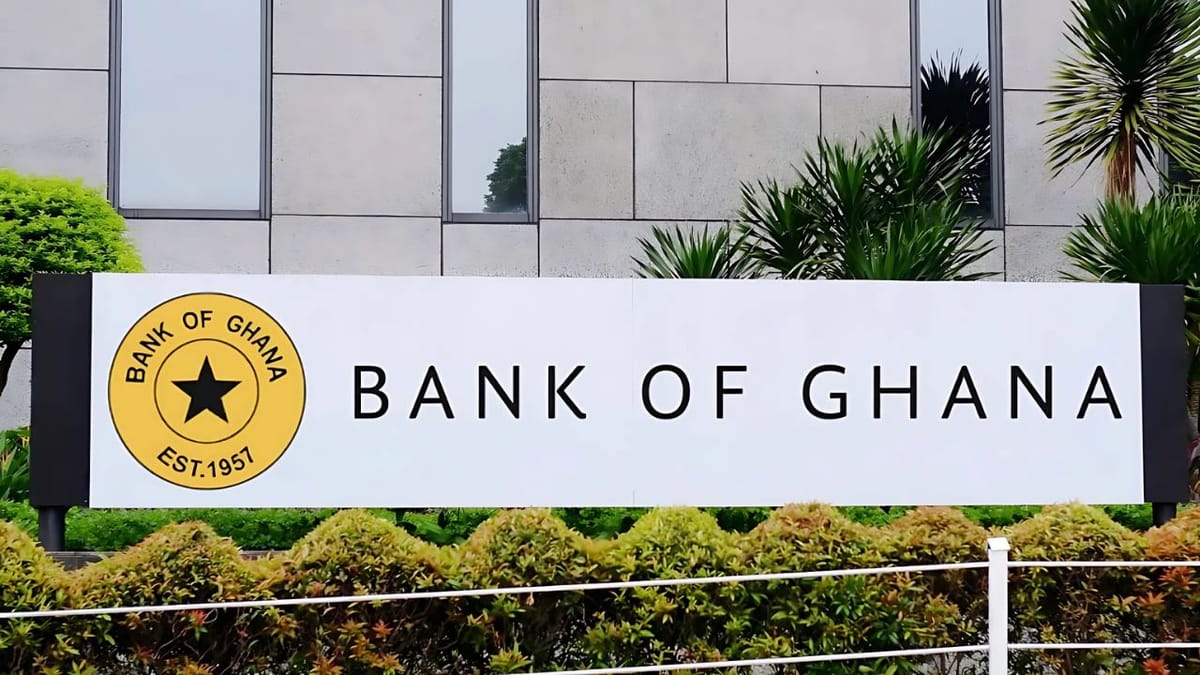
The Bank of Ghana has taken a significant step toward introducing Non-Interest Banking and Finance (NIBF) by convening a high-level meeting with senior religious leaders in Accra. The initiative, led by Governor Dr. Johnson Pandit Asiama, reflects the central bank's commitment to deepening financial inclusion through ethical and interest-free banking services.
Held on Friday, July 25, the closed-door meeting brought together prominent members of Ghana’s religious leaders to discuss the principles and future roadmap of NIBF, which aligns with Islamic financial ethics. The Bank of Ghana aims to leverage community leaders to foster public understanding and trust in non-interest financial models.
The Governor, in his remarks, underscored the significance of the initiative: “Non-Interest Banking, grounded in ethics, asset-backing, and social justice, offers a credible path to financing Ghana’s inclusive development. This is a call to action for collaboration, education, and shared commitment.”
Non-interest banking, often synonymous with Islamic finance, prohibits interest (riba), speculation (gharar), and investments in industries deemed unethical, such as alcohol, gambling, and pork. Instead, it is based on risk-sharing, asset-backed financing, and partnership-based models like mudarabah and musharakah.
The Bank of Ghana's renewed push comes at a time when Ghana is grappling with a staggering infrastructure financing gap of nearly US$38 billion annually. Officials say sukuk
bonds—Shariah-compliant financial instruments—could serve as an alternative capital-raising tool to bridge this gap, particularly for long-term public infrastructure projects.
While Ghana passed amendments in 2016 to permit non-interest banking within its financial system, practical implementation has been slow. Currently, the Bank of Ghana is finalising a comprehensive regulatory framework informed by international best practices from jurisdictions such as Malaysia, Nigeria, and the United Kingdom.
Stakeholder engagements are ongoing and are expected to be completed by December 2025. In addition to the religious sector, consultations include regulators, financial institutions, capital markets, academia, and the media.
There are currently no fully Shariah-compliant banks operating in Ghana, but the central bank’s latest efforts signal a strong institutional intent to change that.