How Minimal Muslim is Reimagining Islamic Design for Today

In 2017, a quiet yet ambitious design venture emerged with a deceptively simple name: Minimal Muslim. Founded by Amir Equbal, it began as a creative agency with a straightforward aim: to reinterpret Islamic design by incorporating minimalist principles rooted in simplicity, moderation, and functionality. Equbal sought to fill a gap he observed in the Islamic economy, where contemporary design had yet to merge meaningfully with Islamic teachings on simplicity and restraint. Over time, Minimal Muslim has evolved from a design agency into a philosophy, sparking a conversation about the nature of Islamic aesthetics in today’s world.
Equbal’s journey into minimalist Islamic design started during his architectural studies. Born and raised in India, he studied architecture at Jamia Millia Islamia in Delhi, where he encountered the expansive influence of Islamic architecture. In college, Equbal was struck by a contrast he observed between the simplicity emphasized in Islamic teachings and the architectural grandeur traditionally associated with Islamic buildings. “I thought, when Islam teaches humility, why is it that the architecture inspired by Islam is so extravagant?” he says.
Islamic architecture, he notes, has had an immense impact globally, but its evolution has often leaned towards extravagance—a stark contrast to Islam’s focus on moderation. In response, he began to explore minimalist philosophies, including the Bauhaus and Japanese Zen movements, which prioritize functionality and simplicity. This exploration prompted Equbal to reinterpret Islamic design from a minimalist standpoint, aiming to reconcile Islamic ideals with modern aesthetics.
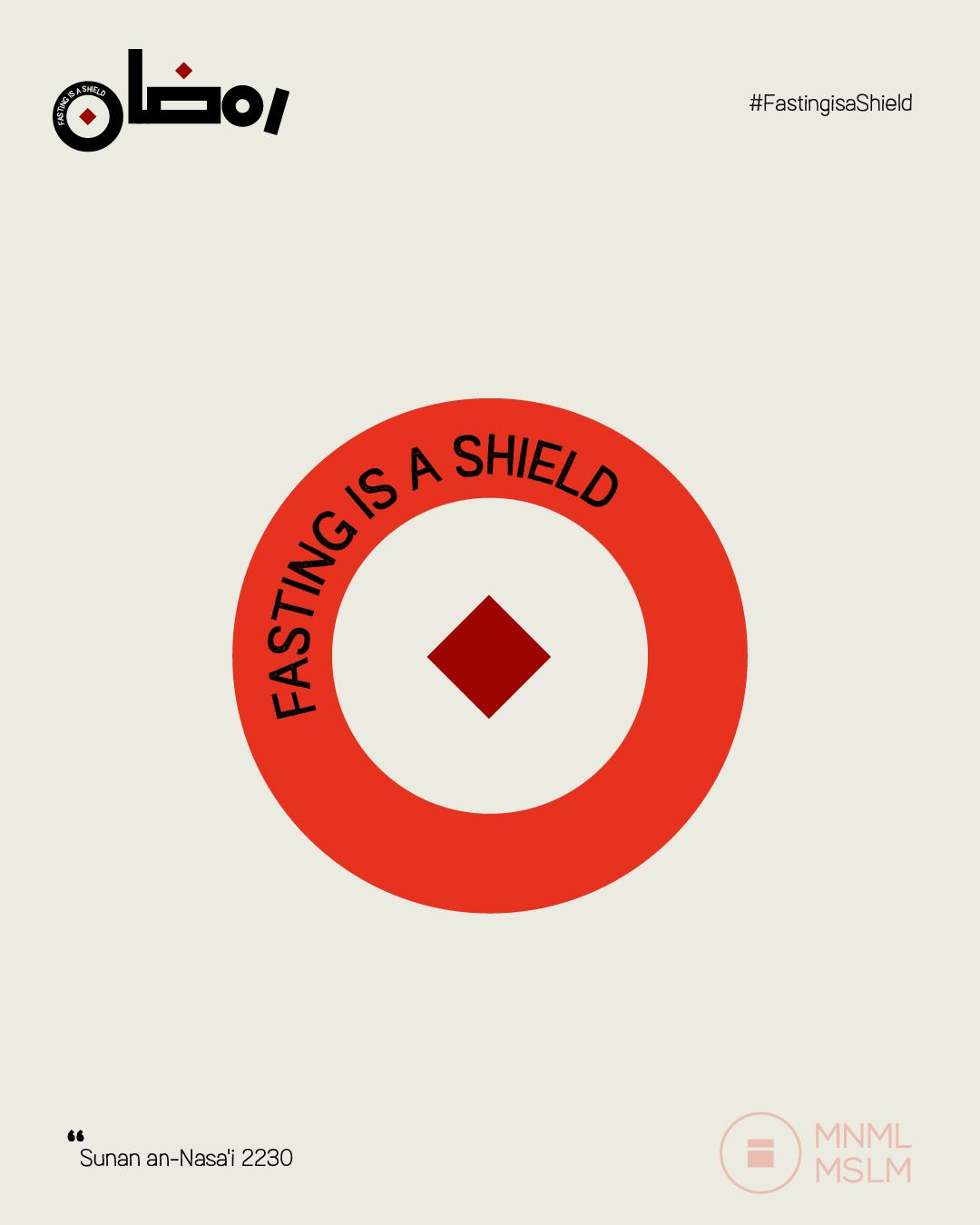
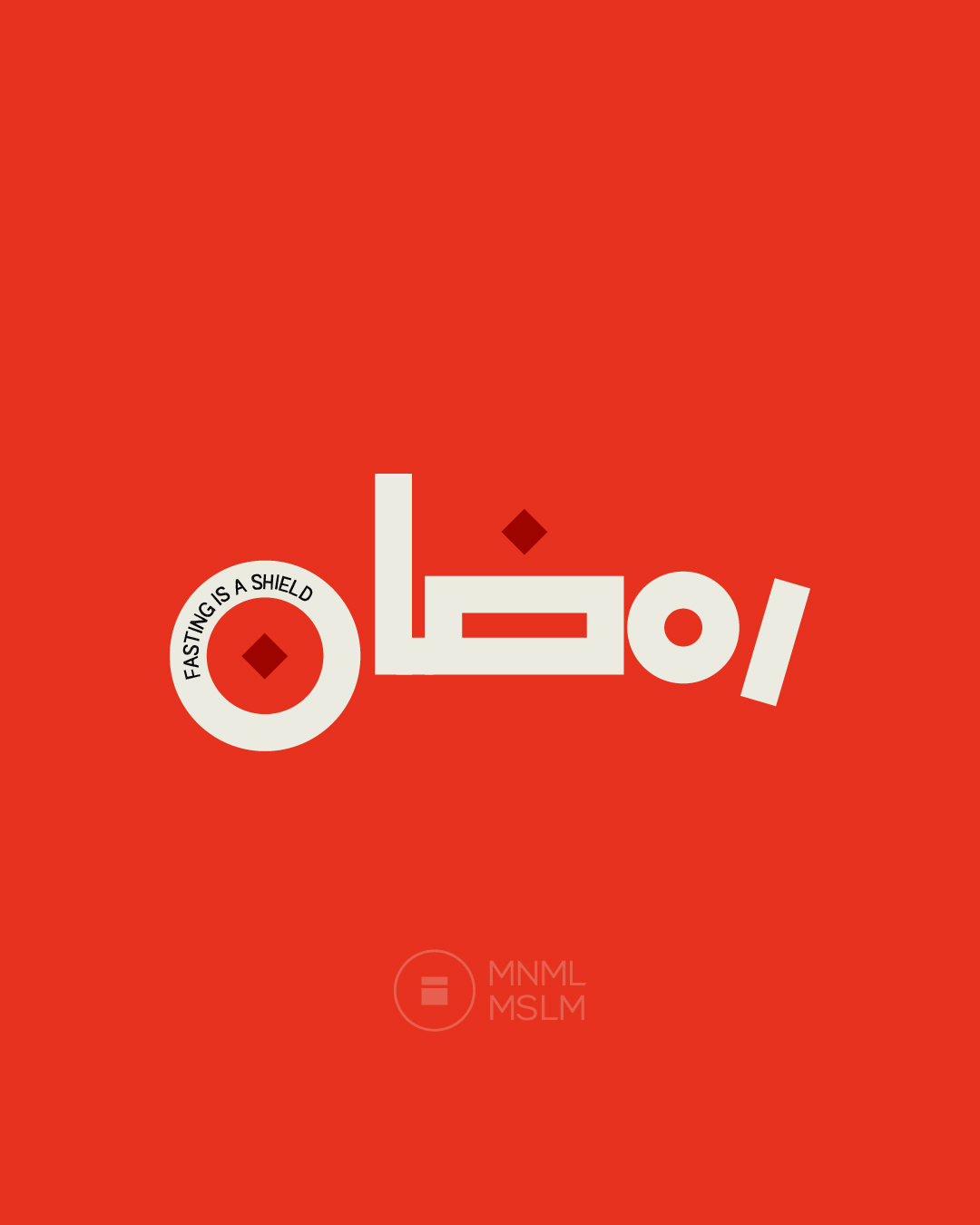
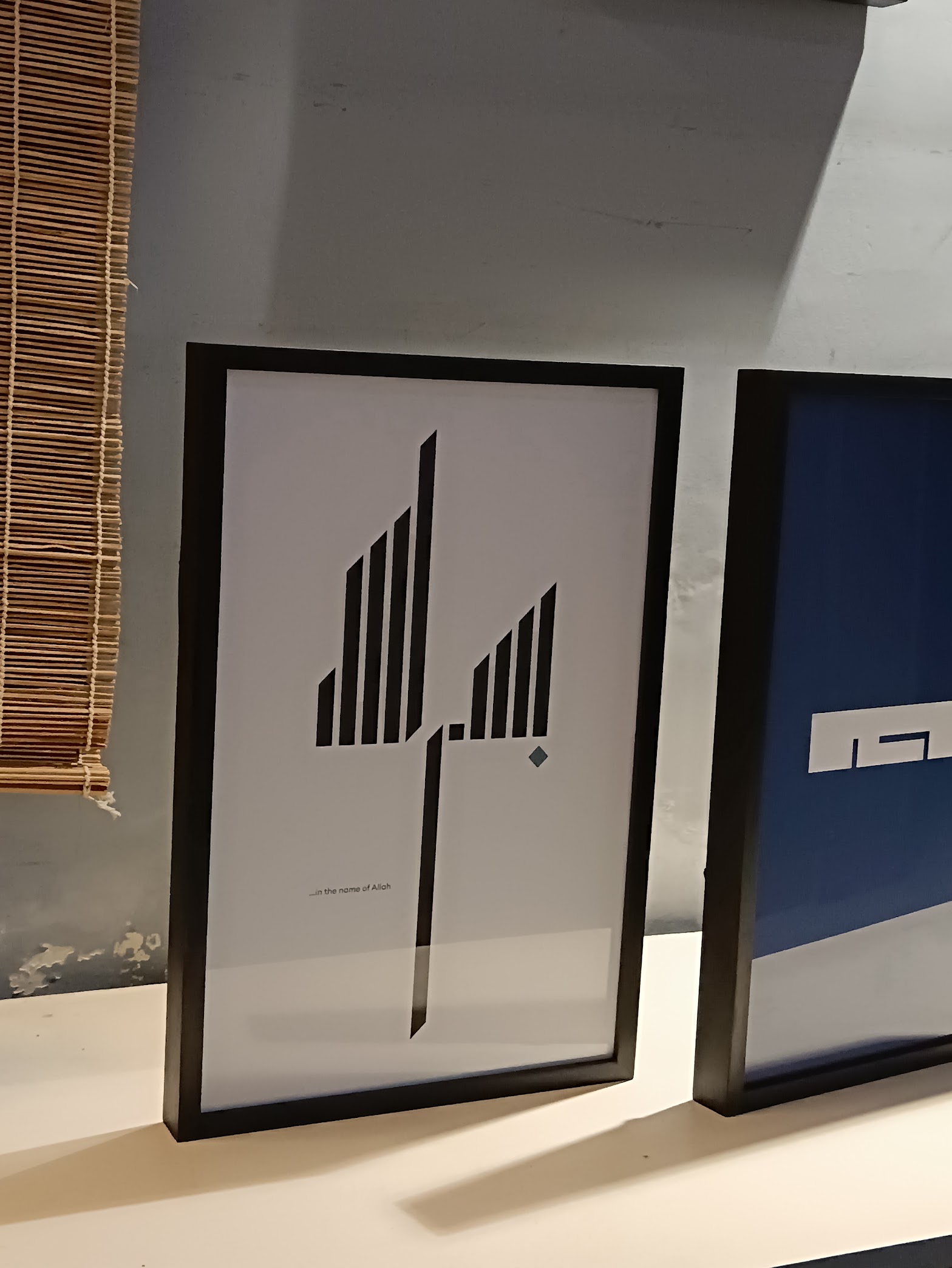
Equbal’s rethinking of Islamic art and design has practical implications. Working initially in architecture, he quickly recognized the limitations of the field for promoting his ideas, due to the complexity and cost of building projects. Instead, he turned to visual design, where he could demonstrate minimalism’s potential through Islamic art. His designs simplify Islamic calligraphy, emphasizing readability and clarity over intricate artistry. For instance, his early design of the word “Allah” in a simple Kufic style attracted immediate interest, marking the beginning of MinimalMuslim’s shift from a conceptual project to a viable business.
“When I redesigned Quranic calligraphy, the objective was that verses should be read and understood—not just admired for their complexity,” he notes.
“Initially, it was out of passion and a sense of responsibility,” he explains. “But after I read the Thomson Reuters State of the Islamic Economy report, I saw the potential for growth in this sector.”

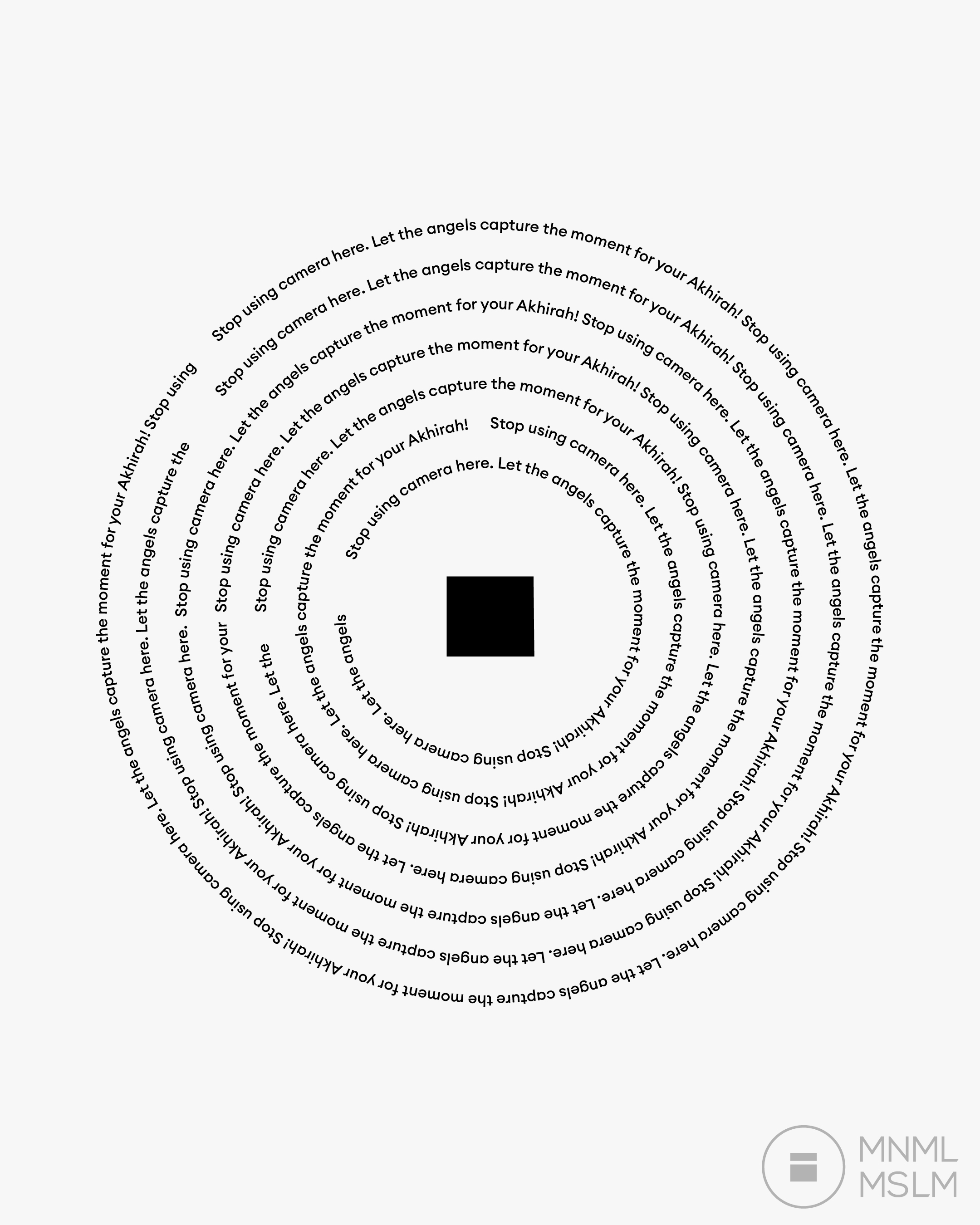
This shift eventually led Equbal to leave his role as a Building Information Modeling (BIM) Consultant in Oman and pursue Minimal Muslim full-time. His ideas received validation from prominent figures like the designer Peter Gould and Mohammed Faris of The Productive Muslim Company, who encouraged him to refine his vision further. Minimal Muslim soon found its niche, combining brand identity with spatial and graphic design for clients across the U.S., U.K., Turkey, Malaysia, and the Middle East. Within a year, the firm gained traction, even being shortlisted among the top 100 startups at Startup Istanbul in 2018, providing a platform to expand its reach and further validate Amir’s ideas.
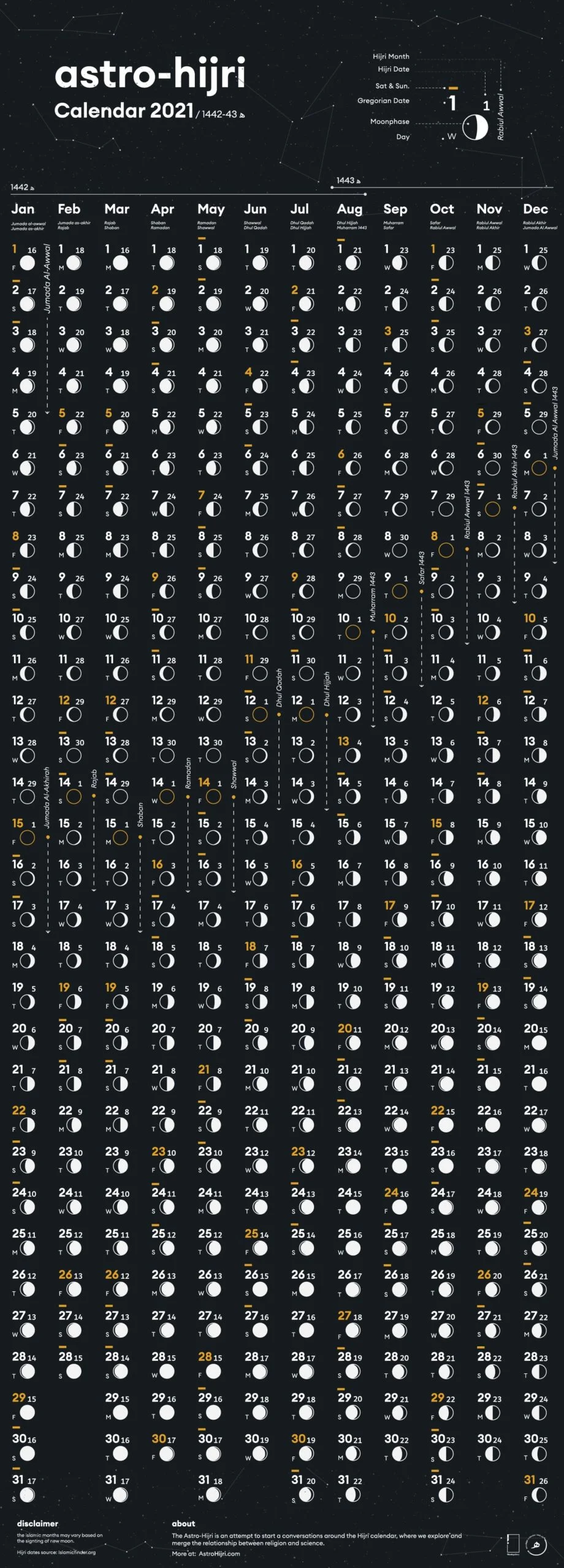
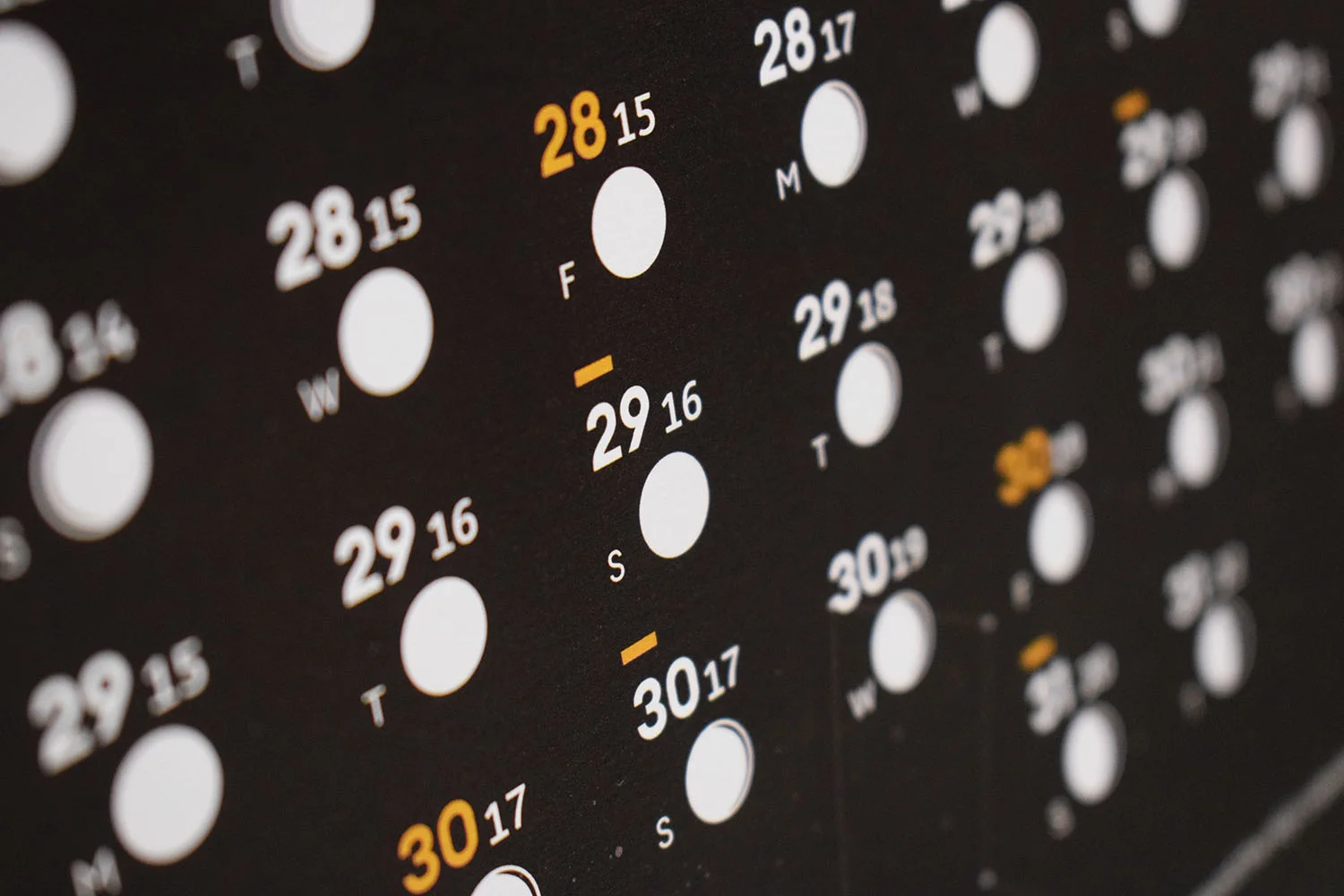
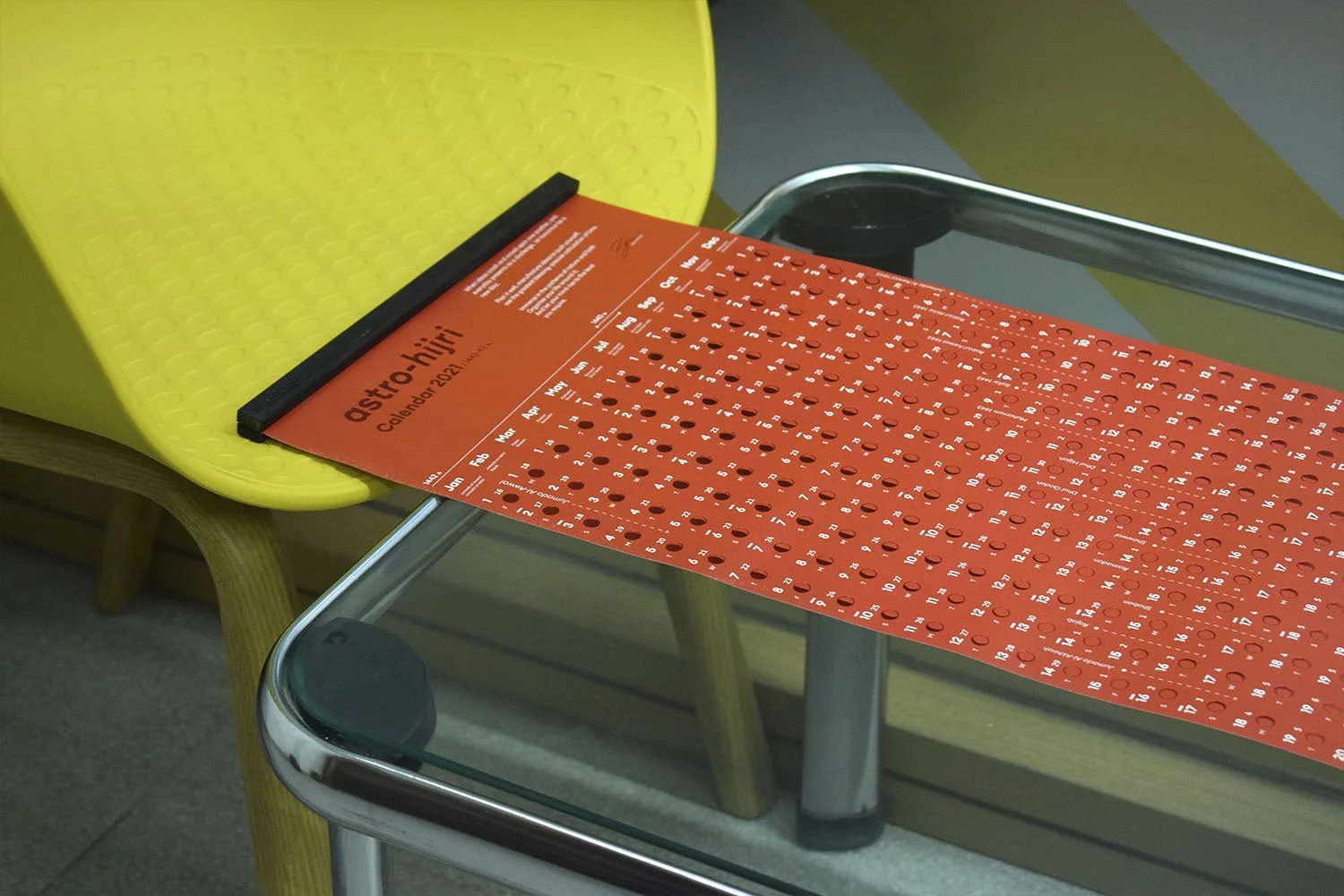
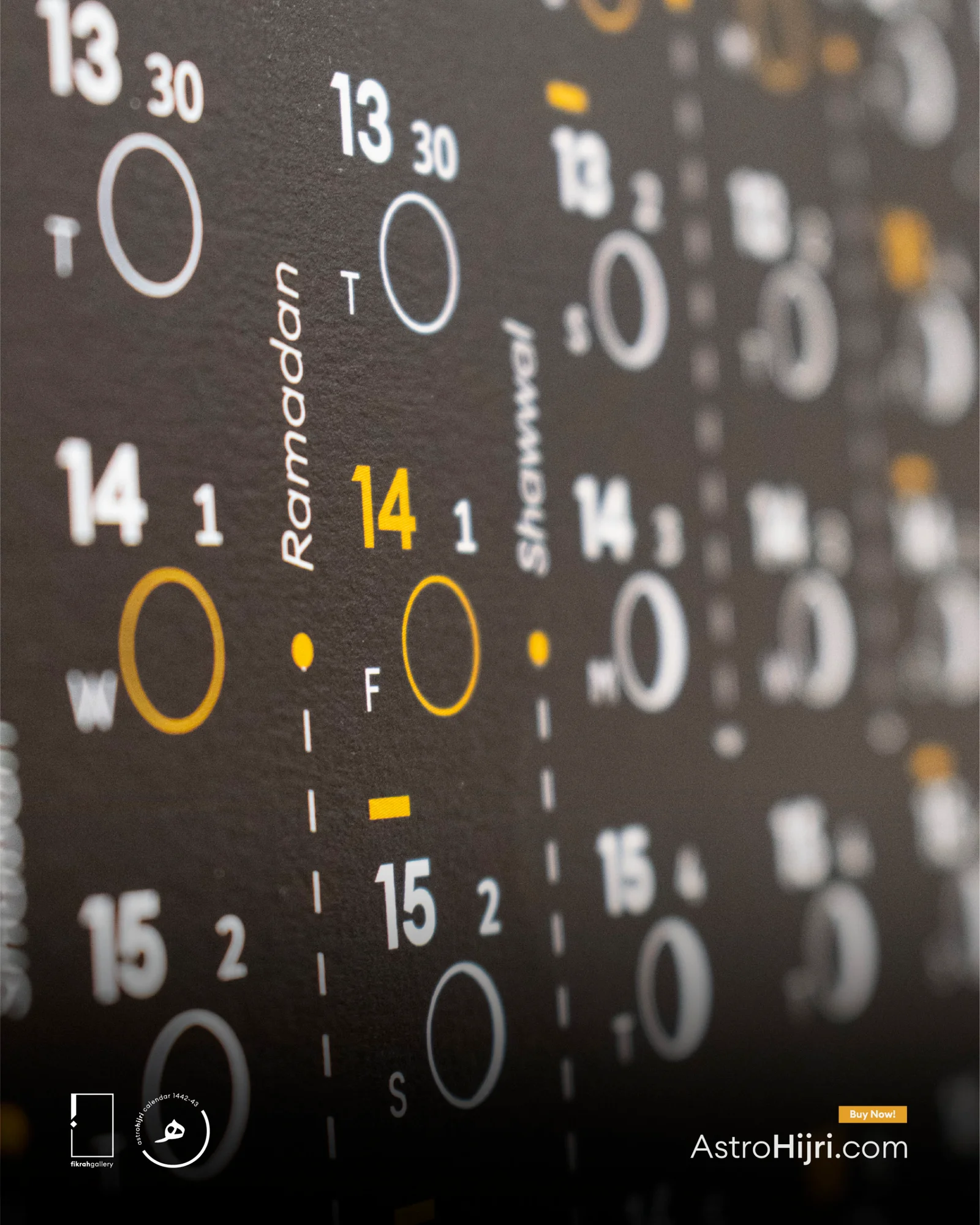
In 2018, Minimal Muslim gained further recognition when the company was featured by WhatsApp as a success story. Minimal Muslim’s pandemic protocol campaign, inspired by the Prophet Muhammad’s practices, went viral, bringing widespread attention to his brand’s ideals. Around this time, Equbal collaborated with former Bollywood actor Zaira Wasim to launch the Astro Hijri Calendar, which he describes as an attempt to start a conversation around the Hijri calendar and explore the relationship between religion and science. He built a separate company called Fikrah Gallery, where he sells products like the Astro Hijri Calendar and Islamic art frames.
Equbal credits his philosophy not only to Islam but also to Japanese minimalism. He says he is also inspired by the Islamic poet-philosopher Muhammad Iqbal. Equbal’s admiration for Turkish architect Emre Arolat and his Sancaklar Mosque further exemplifies his belief in the beauty of restraint. Built with simplicity in mind, the mosque draws inspiration from the Cave of Hira, where the Quran was first revealed, yet stands apart from traditional Islamic architecture.
In recent years, Minimal Muslim has expanded from a design studio to a broader philosophy that Equbal hopes will be open-sourced, enabling others to apply minimalist Islamic principles across various domains. Equbal envisions Minimal Muslim as a platform that could inspire a universal framework, adaptable by both Muslims and non-Muslims. “The idea is simplicity, moderation, and functionality. It’s not just for Muslims,” he adds, “but for anyone looking to bring meaningful design into their lives.”
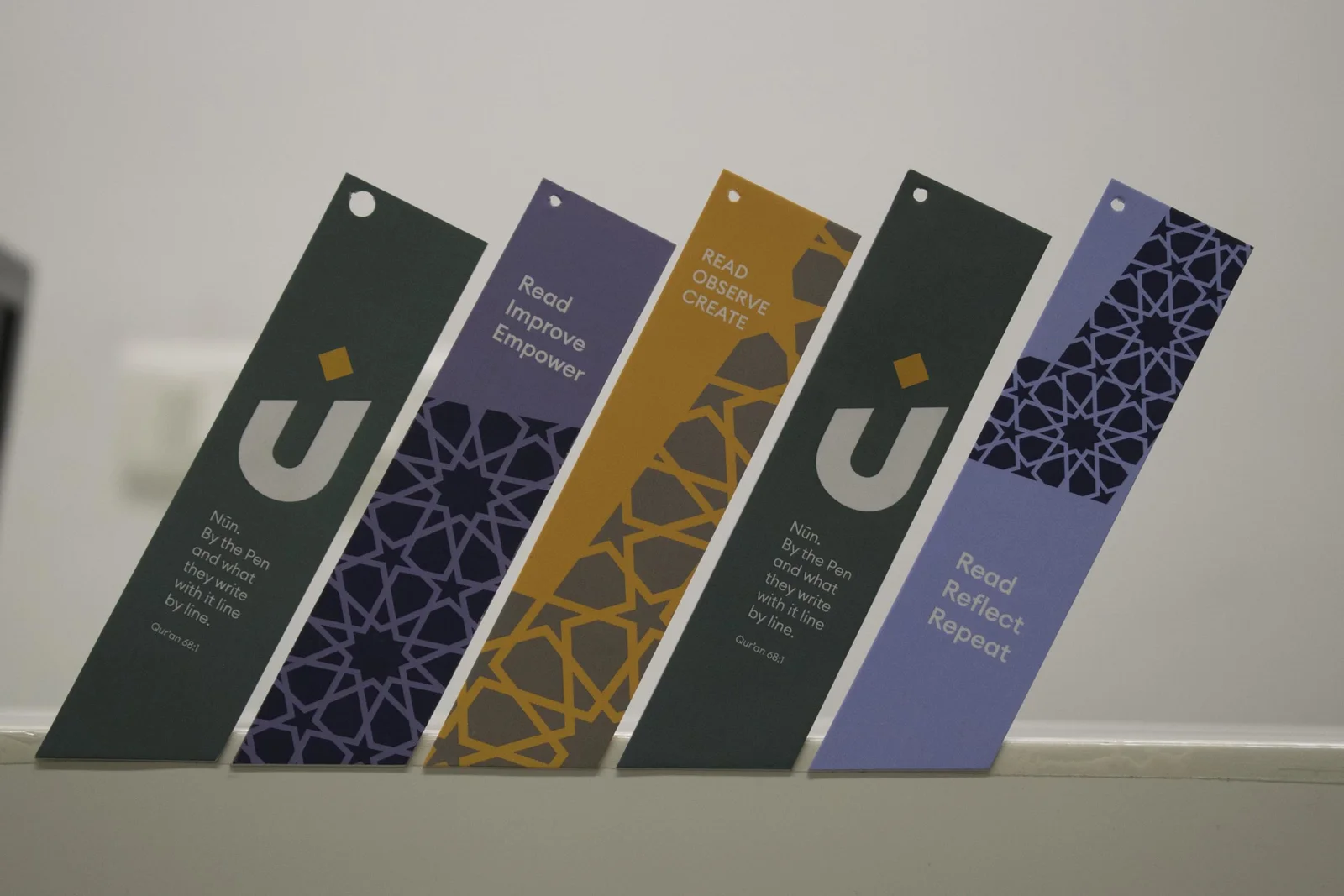
His goal is for Minimal Muslim to become a movement that extends beyond architecture and graphic design, influencing lifestyle choices and habits.
Equbal is clear that Minimal Muslim is more than a personal project; he hopes to inspire a larger design conversation within and beyond the Islamic community. His vision is a reminder that design is not just about aesthetics but about shaping perceptions, fostering inclusivity, and promoting values that align with a sustainable and mindful approach to life. Minimal Muslim, he believes, can offer a universal framework grounded in simplicity, functionality, and faith—a fresh lens for contemporary design.
“It’s about blending form with function, and for us, it’s always grounded in core Islamic values.”