Ilmuna, the World Islamic Board of Education, Launched

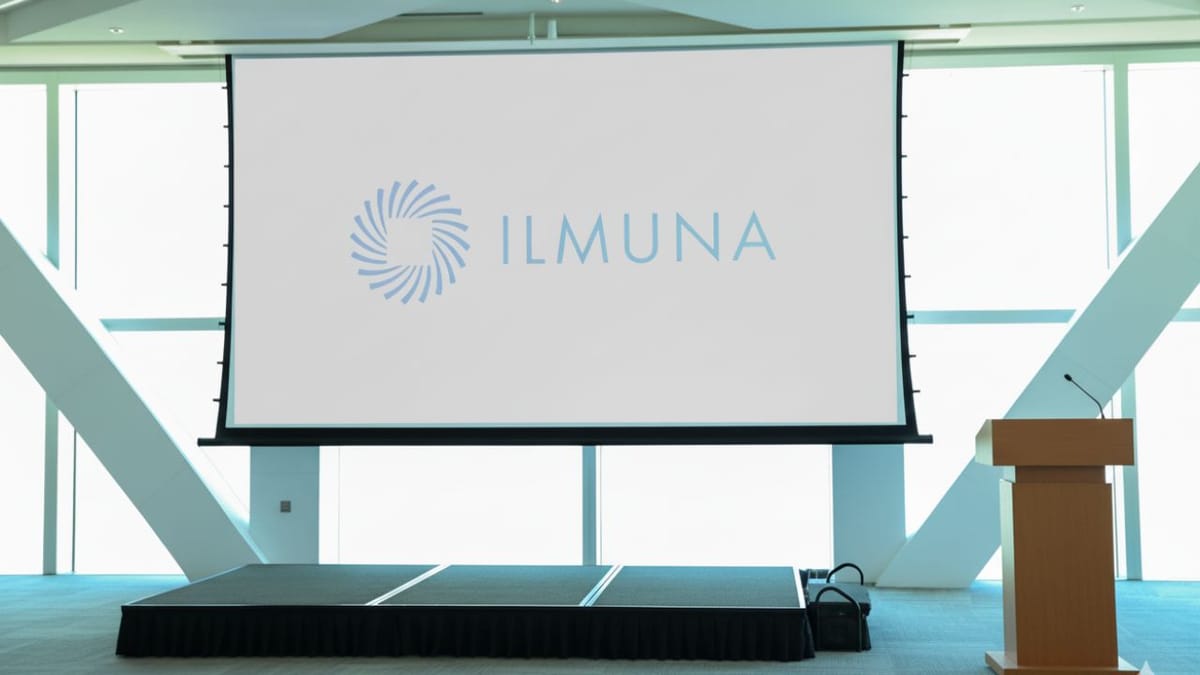
Ilmuna, the World Islamic Board of Education, was officially launched on October 9, 2025, in Colombo, Sri Lanka. The initiative marks a milestone in the global effort to revitalise Islamic education, aiming to transform educational systems from an Islamic worldview and address the unique challenges facing Muslim learners and educators today.
The launch brought together 80 Muslim education leaders and professionals from 34 countries, culminating an eighteen-month consultative process to establish the world’s first decentralised, tawhidic education framework at a global scale.
Registered as an independent non-profit headquartered in London, Ilmuna positions itself not as a school, curriculum provider, or examination board, but as a unifying global institution that develops educational frameworks, supports existing efforts, and connects stakeholders across continents.
A Movement Emerging from Global Consensus
Ilmuna’s formation traces back to June 2024 in Hakuba, Japan, where a group of educators posed a foundational question: What if the Muslim world had its own internationally credible baccalaureate rooted in prophetic tradition? That idea evolved through the Madinah Consensus in April 2025, where representatives from 21 countries concluded that the Ummah needed not another syllabus, but a global board of education, and was finalised at the Colombo launch in October.
The initiative builds on fifty years of intellectual and institutional progress since the First World Conference on Muslim Education in Makkah in 1977, where over 350 scholars called for educational renewal grounded in revelation. Ilmuna extends that legacy to the present moment of “unprecedented uncertainty, social fragmentation, and a loss of meaning and values,” as its founding documents note.
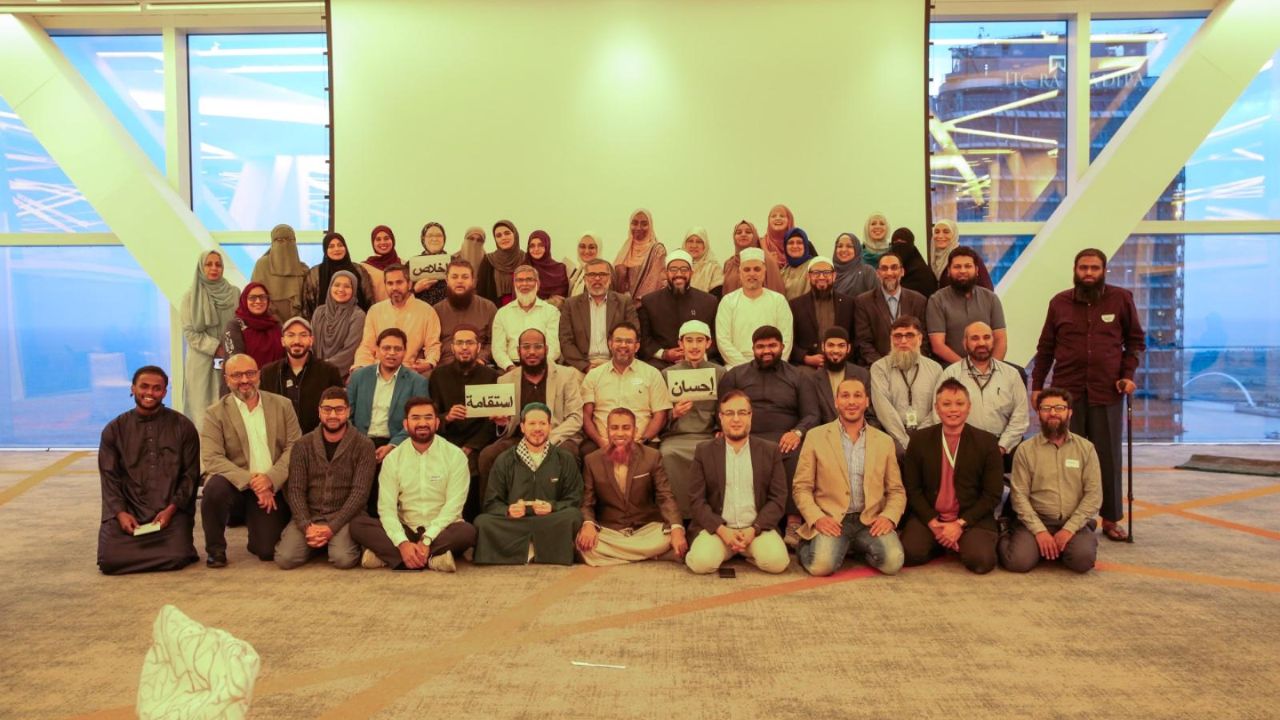
“Ilmuna was launched because the world doesn’t lack intelligence — it lacks meaning, purpose, and connection,” said Dr Sayd Farook, Chairman of the Board of Trustees. “There are thousands of educators doing remarkable work, but many are building alone. Ilmuna is about curating a methodology that connects the dots across systems, sectors, and continents so that our collective wisdom becomes the foundation of something greater.”
A Framework Built on Collaboration, Not Replacement
Nearly 200 educators, strategists, scholars, and researchers from 25 countries contributed voluntarily to Ilmuna’s early design over an eighteen-month period. The initiative formally unveiled its brand identity, educational philosophy, 2030 strategy, and waqf (endowment) framework during the Colombo launch.
Ilmuna is not an association of schools, nor a service-selling entity. Instead, it seeks to unite and strengthen fragmented efforts by providing a shared framework and platform in four key areas:
- Large-scale research on the future of Muslim education
- Development of an overarching values-based framework for transforming learning
- Creation of programmes of study as Islamic alternatives to Western-centric models
- Collaboration with and upliftment of existing institutions, especially underserved communities
The name “Ilmuna”, derived from ʿilm (knowledge) and nā (our), reflects its mission to harness knowledge that already exists within communities, rather than replicate it.
“Ilmuna is an exciting new initiative of collaboration and hope,” said Dr Farah Ahmed, Assistant Research Professor at the University of Cambridge. “In a short time a huge momentum has been created to reimagine, renew and restore our educational heritage to meet the contemporary needs of young Muslims everywhere.”
Vision and Educational Philosophy
According to its strategy documents, Ilmuna aims to build an integrated system of learning rooted in Islamic values, tawhidic philosophy, ihsān, and a conscious relationship with the Creator. It envisions learners who are spiritually grounded, intellectually curious, socially responsible, and globally capable, equipped not only for employment but for stewardship.
By 2030, the organisation seeks to:
- Develop a unified, values-based educational framework integrating faith and excellence
- Build educator development and accreditation pathways
- Advance research, policy innovation, and technology for future-ready learning
- Design bespoke programmes of study for schools, homeschoolers, and learning networks
Rather than issuing a universal syllabus, Ilmuna intends to serve as a “House of Wisdom”, preserving and connecting the work of scholars, educators, and innovators and making Islamic frameworks more accessible across national and cultural contexts.
Structure, Governance and Participation
Ilmuna’s mandate is being carried out through specialised working groups in areas such as:
- Educational frameworks
- Educator development
- Programmes of study
- Research and accreditation
- Governance and operations
- Branding, outreach, and communications
The inaugural Board of Trustees informed at the launch includes:
- Dr Sayd Farook (Chairman)
- Mr Mansoor Shakil (Deputy Chairman)
- Ms Hediah Kadous (Secretary)
- Dr Claire Alkouatli
- Dr Samura Atallah
- Mr Asad Choudhary
- Dr Sabariah Faridah
- Dr Nadeem Memon
- Mr Abdul Matheen Yousuf
Advisory appointments were also confirmed:
- Shaykh Shams Adduha Mohamed – Head of the Islamic Advisory Board
- Ms Uzma Ahmed – Head of the Experts Council on Educator Development
Over the next six months, Ilmuna will appoint its executive leadership, establish expert councils, and pilot its educational framework in selected institutions worldwide.
A Decentralised, Inclusive Initiative
Although rooted in the Islamic worldview, Ilmuna states that its values are universal and open to collaboration with those who share its commitment to ethics, meaning, and human purpose in education. It maintains independence from governments and political movements and operates as a civil society organisation. Its funding model is supported by waqf, donations, partnerships, grants, and voluntary membership contributions to ensure accessibility and sustainability.
Educators, researchers, schools, policymakers, and institutions are being invited to connect through advisory councils, pilot projects, research initiatives, and global educator networks.
At its core, Ilmuna seeks to unify decades of scholarship and practice into a shared framework that can guide education systems across cultures without erasing local identity. “True education must shape not only what we know, but who we become,” its founders stated, a principle that has now taken institutional form.