Maldives to Designate Islands Exclusively for Halal Tourism, Announces President Muizzu

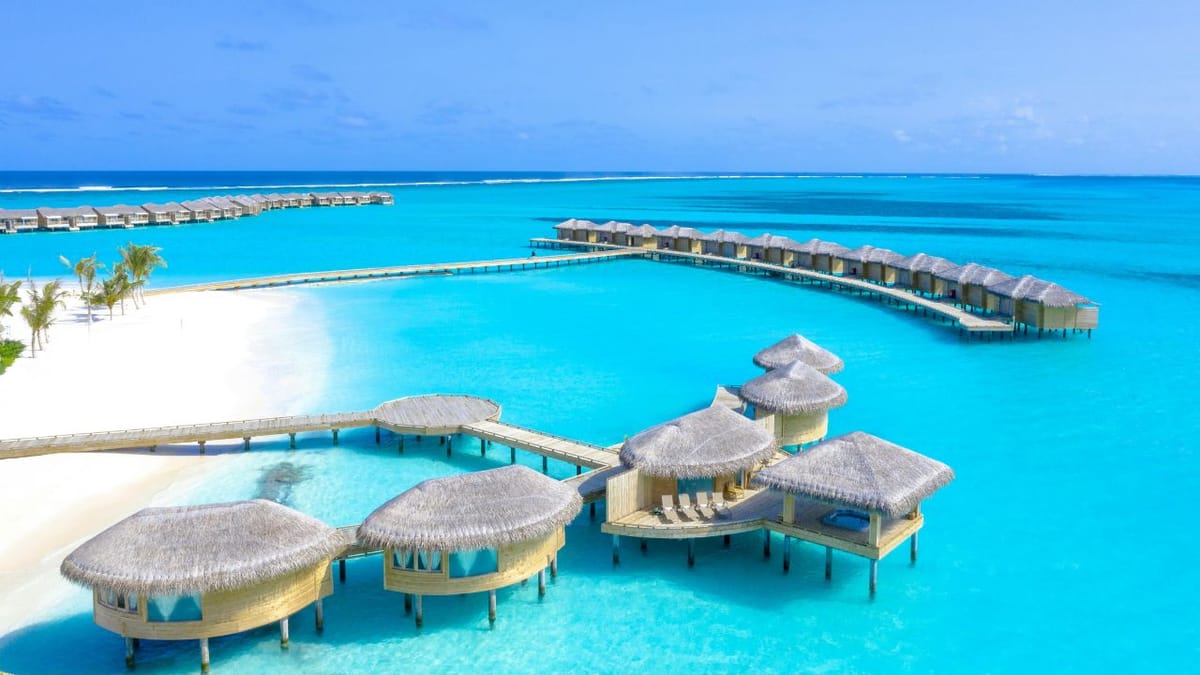
President Dr. Mohamed Muizzu has announced that the Government of Maldives will designate a number of islands exclusively for the development of halal tourism, in a major move to diversify the nation’s world-renowned tourism sector.
The announcement was made via the President’s official X (formerly Twitter) account, where he highlighted the administration’s vision to position the Maldives as a global benchmark in halal tourism. The initiative will be supported by attractive incentives for investors, aimed at drawing both domestic and international stakeholders into this emerging segment of the tourism market.
“The Maldives’ tourism industry is globally recognised and has long served as a model of sustainability, exceptional hospitality, and premium visitor experiences,” President Muizzu stated. “We now aspire to become a global leader in halal tourism.”
Halal tourism, which caters to the needs of Muslim travellers by offering Shariah-compliant hospitality, food, and recreational services, has been identified as a growing global market with significant potential. The dedicated halal tourism zones will align with Islamic values and are expected to appeal to travellers from key markets in the Middle East, Southeast Asia, and beyond.
President Muizzu noted that further details of the plan will be unveiled by the Ministry of Tourism and Environment in the coming week, including specifics on the selected islands, infrastructure development guidelines, and investor packages.
Reaffirming the Maldives’ open-door policy for foreign investment, the President invited global investors to explore the new opportunities: “The Maldives remains open to the world, and we welcome visionary investors who wish to be part of this promising and sustainable tourism initiative.”
The announcement comes amid ongoing efforts by the government to broaden the Maldives’ tourism portfolio, enhance cultural inclusivity, and tap into underexplored markets. Tourism remains the country’s largest economic sector, contributing significantly to GDP, employment, and foreign exchange earnings.
Industry analysts view the move as strategically aligned with global travel trends and anticipate strong interest from regional tourism operators and halal-conscious travellers worldwide.