Munira al-Qubaysi

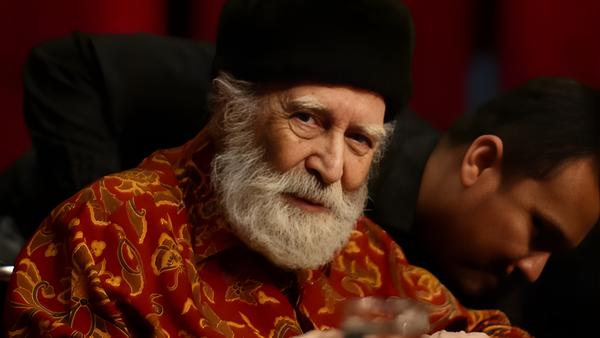
Munira al-Qubaysi (Arabic: منيرة القبيسي; also spelled Munira Qubeysi; 1933 – 25 December 2022) was a Syrian Islamic scholar, educator, and founder of the Qubaysiyat movement, the largest women-only Islamic educational movement in the Arab world. Renowned for her pioneering work in female religious education, al-Qubaysi’s efforts have left a lasting mark on Islamic scholarship and social activism in Syria and beyond.
Early Life and Education
Munira al-Qubaysi was born in Damascus, Syria, in 1933 to an upper-class merchant family from the Hauran region. She attended government schools before enrolling at the University of Damascus in the Faculty of Science, graduating with a Bachelor’s degree in biology during the 1950s—a rare achievement for a religious woman at that time. Al-Qubaysi furthered her education with studies in Islamic sciences, attending lessons with prominent scholars such as Sheikh Ahmad Kaftaru, the Grand Mufti of Syria, Sheikh Abdul Karim Al-Rifai, and Professor Issam Al-Attar. Throughout her academic journey, she gained qualifications to teach and guide in both traditional Islamic and secular subjects.
Career
Al-Qubaysi began her professional life as a science teacher in Damascus. During the 1960s, she launched a grassroots movement to provide Islamic education to girls and women, initially conducting lessons in private homes due to government restrictions on religious teaching. This group evolved into the Qubaysiyat (Al-Qubaysiat), a women-only Islamic movement dedicated to memorisation and teaching of the Qur’an, Hadith, and religious sciences. The movement became notable for its emphasis on spiritual development, education, and female leadership—at a time when women’s formal participation in religious life was highly restricted in Syrian society.
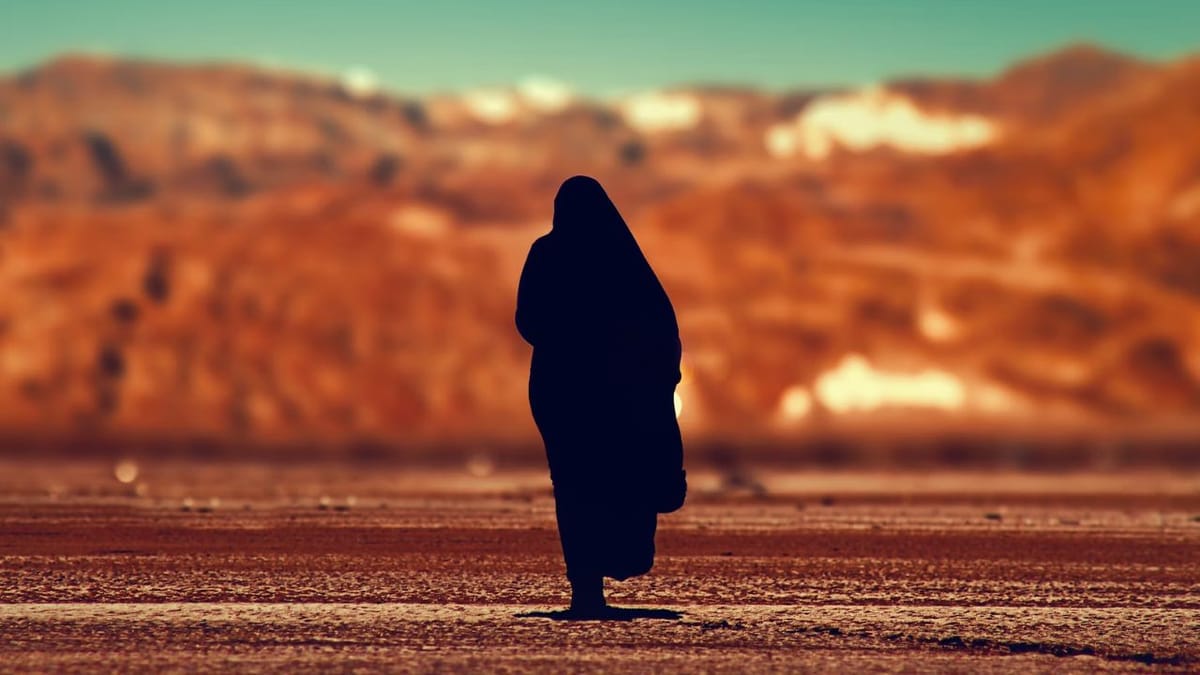
The Qubaysiyat steadily expanded, running as many as 80 schools in Damascus and boasting tens of thousands of students. By the early 2000s, as the Syrian regime relaxed restrictions on private religious education, their presence became highly visible, marked by teachers wearing distinctive navy veils. The movement’s structure and curriculum have influenced similar groups across the Middle East, Europe, and North America, making al-Qubaysi a transnational figure in Islamic women’s education.
Throughout her career, al-Qubaysi maintained relationships with major Islamic leaders while remaining independent and apolitical. Her caution around political involvement allowed the group to operate openly in Syrian mosques, often with implicit approval from the authorities.
Achievements
- Founder of the Qubaysiyat Movement: Al-Qubaysi’s establishment of the largest women-only Islamic educational group in the Arab world has had a transformative effect on religious instruction and female empowerment.
- Pioneer of Female Scholarship: As one of the first women in Damascus to combine higher secular education with religious piety, she challenged prevailing norms and paved the way for subsequent generations of Muslim women in education.
- Transnational Influence: Her movement’s curriculum and model have been emulated in countries throughout the region and in diaspora communities, influencing the discourse on women’s roles in Islam.
Books and Educational Contributions
While there is no record of al-Qubaysi having authored formal books, her legacy is enshrined in the Qubaysiyat’s curriculum and influence. The movement utilises comprehensive programmes for memorising the Qur’an and major hadith collections, and its teaching materials reference classical Islamic texts and contemporary scholarship.
Personal Life
Munira al-Qubaysi remained single throughout her life, dedicating herself fully to religious education and spirituality—a highly unusual choice for women of her cultural and social context. Her followers and colleagues recall her as “al-Anisa” (the teacher), recognised for both her charisma and discretion.
Legacy and Impact
Munira al-Qubaysi’s legacy rests on her elevation of women’s religious education and the development of women’s collective spiritual leadership in Syria and the wider Muslim world. Despite social and political constraints, her work empowered thousands of women to become teachers and scholars, challenging patriarchal norms. Upon her death, tributes poured in from major religious figures, signifying her broad influence. Al-Qubaysi and the Qubaysiyat continue to inspire Islamic educational activism, forming a major chapter in the history of Muslim women’s movements.