Selçuk Bayraktar: The Real-Life Muslim Tony Stark Revolutionizing Global Defense
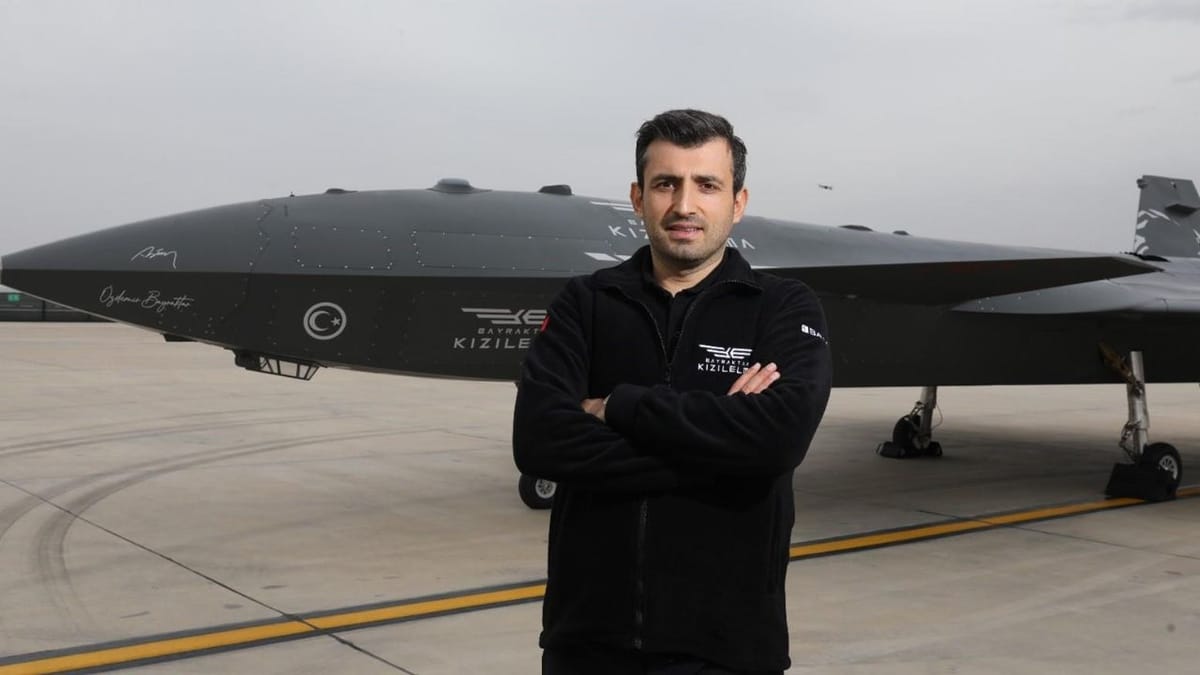
In a world increasingly defined by technological advancement and defense capabilities, Selçuk Bayraktar has emerged as one of Türkiye’s most influential figures in drone technology. Often compared to Tony Stark, the fictional tech genius from Iron Man, Bayraktar’s real-life contributions have positioned Türkiye as a significant player on the global defense stage. But beyond the headlines of cutting-edge UAVs (unmanned aerial vehicles) and geopolitical strategy, Bayraktar’s journey reflects a combination of engineering prowess, a strong sense of purpose, and deep-rooted ties to his faith and family.
From Quiet Beginnings to a Global Stage
Bayraktar was born into a family of engineers in Türkiye’s Black Sea region, an upbringing that would play a key role in shaping his career. His father, Özdemir Bayraktar, was an industrial engineer and an early pioneer in Türkiye’s defense sector. Bayraktar would later build on his father’s work, but his educational path took him further afield—studying at the University of Pennsylvania and the Massachusetts Institute of Technology (MIT). Armed with degrees in electrical engineering and a passion for aeronautics, Bayraktar joined the family business, Baykar, in the early 2000s.
Prof Enes Karaca, a machine learning expert based in Istanbul, notes that Bayraktar’s upbringing and family background were crucial in shaping his ambitions. “The family of Selçuk Bayraktar is from the Black Sea region. With them, you get what you see. They’re very authentic people culturally,” says Karaca.
At that time, Türkiye’s defense sector was heavily reliant on foreign imports, particularly in areas like aerospace and drones. Bayraktar, however, saw an opportunity to change that dynamic. Under his leadership as the company’s Chief Technology Officer, Baykar developed the Bayraktar TB2, a medium-altitude, long-endurance drone that has since gained global recognition.
The Bayraktar TB2: A Game-Changer in Modern Warfare
The Bayraktar TB2 quickly became a symbol of Türkiye’s growing defense capabilities, used in conflicts across multiple regions including Syria, Libya, and Nagorno-Karabakh. The drone’s relatively low cost and operational success attracted international buyers, including Ukraine, which used it extensively in its conflict with Russia. The TB2’s impact on warfare, particularly its effectiveness in asymmetric conflicts, has raised Türkiye’s profile as a global supplier of drone technology.
“Türkiye is now number one in the world in drone exports, against all odds. This is an area the Muslim world was severely lacking in,” says Prof Karaca. “The success of the TB2 isn’t just a win for Türkiye; it’s a sign of what the Muslim world can achieve when it combines innovation with strategic foresight.”
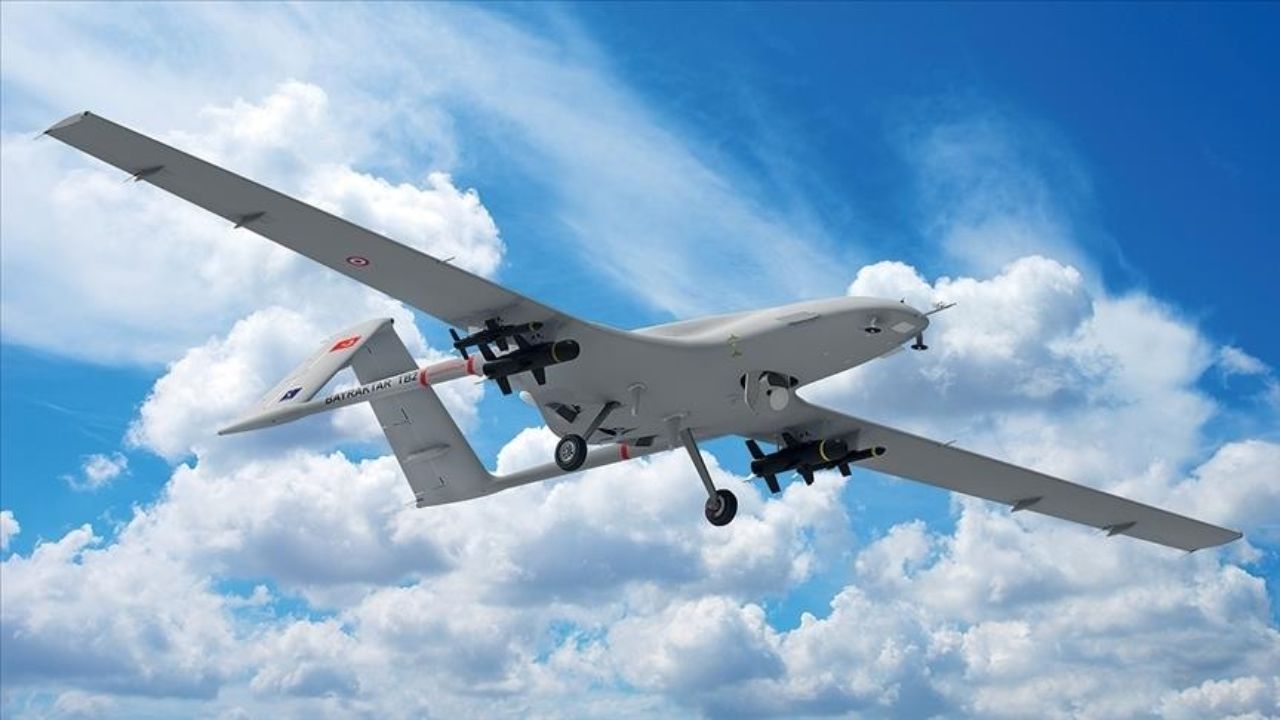
Bayraktar’s work has undeniably reshaped the landscape of modern warfare. But as drones become more widely used, especially in areas with civilian populations, concerns about their ethical implications continue to rise. Critics argue that increased use of UAVs complicates the distinction between combatants and non-combatants, raising questions about accountability. Bayraktar’s work, however, remains at the forefront of the industry, pushing Türkiye from being a consumer to a producer of advanced defense technologies.
Balancing Innovation and Faith
Unlike the brash, fictional Tony Stark, Bayraktar’s public persona is more subdued, often tied to his religious beliefs and sense of duty. Born into a devout Muslim family, he has been open about the role his faith plays in his work. In interviews, Bayraktar has described his pursuit of technological advancement as being aligned with his religious values, believing that innovation should serve the greater good, not just national interests.
A story often cited in Turkish media involves Bayraktar’s mother allegedly telling him that her “milk would be haram” (forbidden) if he failed in his mission to develop Türkiye’s drone industry. Though unverified, the anecdote underscores the pressure and expectations Bayraktar faced—not only from a national perspective but from his family as well.
Bayraktar’s Influence on Türkiye’s Youth and Future Engineers
In addition to his work in defense, Bayraktar has become an influential figure for younger generations in Türkiye, particularly through his involvement in Teknofest, an annual technology and aerospace festival aimed at encouraging innovation among the country’s youth. The festival, co-founded by Bayraktar, is designed to promote a culture of technology-driven problem-solving, positioning Türkiye as a hub for innovation in fields ranging from robotics to artificial intelligence.
“Selçuk Bayraktar is relevant for Muslim youth not just because of his technological achievements, but because he demonstrates that it’s possible to succeed without abandoning your cultural and religious values,” says Karaca. Bayraktar represents a model of success that merges faith with technological achievement, providing an alternative narrative for Muslim engineers and innovators globally.
A Legacy Tied to Politics
Bayraktar’s achievements are closely linked to his family’s connections to Türkiye’s political establishment. In 2016, he married Sümeyye Erdoğan, the daughter of President Recep Tayyip Erdoğan. This connection has inevitably drawn attention, with some critics questioning the role of political backing in Baykar’s rise to prominence. However, Bayraktar has consistently emphasized that Baykar’s achievements stand on their own, independent of political affiliations.
“Strategically, Türkiye went from being invisible to a very visible actor,” says Karaca, emphasizing how Bayraktar’s drones have given the country new leverage in geopolitical conflicts.
While Bayraktar’s work has benefited from strong political ties, his contributions to Türkiye’s defense sector are part of a broader strategic initiative to reduce reliance on foreign technology and bolster the country’s self-sufficiency in defense.
Looking Ahead: What’s Next for Bayraktar?
As Türkiye continues to build on its defense capabilities, Bayraktar’s role will likely remain central to the country’s strategic ambitions. The development of new UAVs, such as the Bayraktar Akıncı, a high-altitude, long-endurance drone, demonstrates that Baykar is not content to rest on the success of the TB2. Bayraktar’s vision for Türkiye’s future in defense technology includes not only strengthening its military but also pushing the boundaries of innovation in areas like AI and robotics.
While comparisons to Tony Stark may offer a shorthand, Bayraktar’s story is one of calculated, methodical progress—driven by a clear sense of purpose, both technological and personal. His contributions to Türkiye’s defense sector are significant, but they also highlight a broader narrative about the country’s evolving ambitions on the world stage.